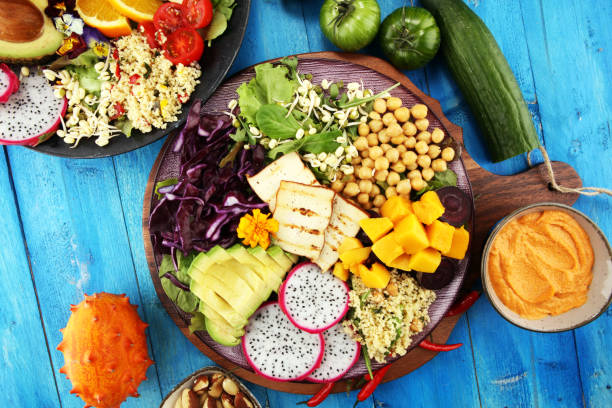

Over the last decade, the world has seen a huge shift in the way people think about food. Plant-based eating, once seen as niche or extreme, has now become a mainstream lifestyle choice. From big cities in the US to small towns in Europe and Asia, more and more people are swapping meat and dairy for vegetables, legumes, grains, and plant-based alternatives. This isn’t just a fad—it’s a reflection of growing awareness about health, the environment, and animal welfare.
One of the biggest drivers of this shift is the rise of information. Social media, documentaries, and news articles have brought the impact of food choices into the spotlight. People are more conscious than ever about what they put on their plates, and plant-based diets are often seen as a way to stay healthy and reduce one’s carbon footprint.
Health Benefits Taking the Spotlight
Many people are turning to plant-based eating for health reasons. Studies have shown that diets rich in fruits, vegetables, whole grains, and legumes can reduce the risk of heart disease, diabetes, and certain types of cancer. There’s also growing evidence that plant-based diets can help with weight management and overall longevity.
What’s interesting is that people are no longer just thinking about the “no meat” part—they’re thinking about nutrient density. With the rise of plant-based proteins like tofu, tempeh, lentils, chickpeas, and newer meat substitutes, it’s now easier than ever to get the nutrients your body needs without relying on animal products. Even athletes and bodybuilders are embracing plant-based diets, proving that you can fuel a high-performance lifestyle without meat.
Environmental Impact Driving Change
Another huge factor pushing plant-based eating into the spotlight is the environment. Livestock farming is a major contributor to greenhouse gas emissions, deforestation, and water usage. Switching to plant-based diets is one of the most effective ways individuals can reduce their ecological footprint.
Global warming and climate change aren’t distant issues anymore—they’re happening now. Many people are realizing that what they eat directly impacts the planet. Governments and environmental organizations have started promoting plant-based diets as part of sustainability initiatives, and companies are responding by investing in plant-based food products.
The Rise of Plant-Based Products
Speaking of products, the food industry has been quick to catch on. Supermarkets now have entire aisles dedicated to plant-based alternatives, and restaurants are offering more vegan and vegetarian options than ever before. Meat substitutes like Beyond Meat and Impossible Foods have exploded in popularity, and even fast-food chains are introducing plant-based burgers and chicken alternatives.
It’s not just meat anymore. Plant-based milk, cheese, yogurt, and even ice cream have become widely available. Almond milk, oat milk, soy milk—these have moved from niche grocery stores to mainstream supermarkets. The convenience factor plays a big role here. People want healthy, ethical, and environmentally friendly options that don’t require a ton of effort or sacrifice in taste.
Cultural Shifts and Social Influence
Culture and social influence also play a big part in the rise of plant-based eating. Veganism and vegetarianism are becoming more normalized in social circles, pop culture, and media. Celebrities, influencers, and even politicians are openly promoting plant-based lifestyles, making it more aspirational for the average person.
YouTube channels, TikTok, and Instagram have created communities where people share recipes, tips, and success stories. This creates a social reinforcement effect—people feel supported when they make dietary changes, which makes sticking to a plant-based diet easier.
Challenges and Misconceptions
Despite its growth, plant-based eating still faces challenges. Many people assume it’s expensive, difficult, or lacking in protein and other nutrients. While it’s true that some specialty products can be pricey, a lot of plant-based eating can be surprisingly affordable if you stick to beans, lentils, vegetables, and grains.
Education is key. People need to understand how to balance their diets properly to avoid nutrient deficiencies. Governments, schools, and organizations are increasingly offering guidance on plant-based nutrition, helping debunk myths and make the lifestyle more accessible.
The Future of Plant-Based Eating
Looking ahead, plant-based eating shows no signs of slowing down. With the combination of health, environmental, and ethical motivations, it’s likely that more people will adopt at least some plant-based meals into their routines. Hybrid diets like “flexitarianism,” where people reduce meat intake without eliminating it entirely, are also gaining traction.
Innovation in food technology will continue to play a huge role. Lab-grown meat, improved meat substitutes, and fortified plant-based foods could make it even easier for people to choose plant-based options without feeling deprived.
Final Thoughts
The rise of plant-based eating worldwide is more than a trend—it’s a reflection of changing values. People are looking for ways to stay healthy, reduce their impact on the planet, and make compassionate choices. While it might not be for everyone, the momentum is undeniable. Plant-based foods are becoming more delicious, more accessible, and more mainstream than ever before.
As awareness grows and options continue to expand, plant-based eating might just become the norm rather than the alternative. And honestly, with all the tasty options available today, it doesn’t feel like a sacrifice—it feels like a choice people can feel good about.