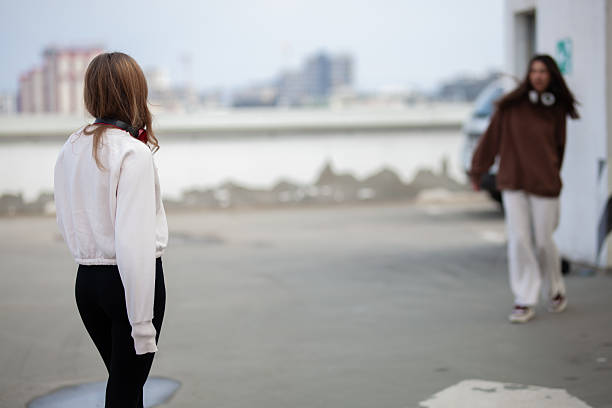

Fashion is one of those things that feels like it comes from everywhere at once. One day, you see someone rocking a funky jacket on the street, and next thing you know, designers are putting something similar on their runway. But which really drives the trends: the streets or the glitzy runway shows? Let’s dive into this.
The Runway: Glamour and Influence
Runway shows have been the traditional birthplace of trends for decades. Designers like Virgil Abloh and Donatella Versace present new collections every season, and the fashion world watches closely. These shows are all about high concept, big ideas, and making statements. Sometimes the outfits are wearable, sometimes they’re more like art installations.
The runway sets the tone. It’s where editors, influencers, and buyers decide what’s “in” for the season. Magazines, blogs, and social media then spread these ideas, making them aspirational. People look at a runway and think, “That’s what’s next,” even if the clothes themselves are a little over-the-top for everyday wear.
But here’s the catch: runway fashion isn’t always immediately practical. Those giant platform shoes or feathered coats? Hard to see your neighbor wearing them on a Monday morning commute. That’s where street style comes in.
Street Style: Real People, Real Influence
Street style is raw, unfiltered, and spontaneous. It’s fashion in its natural habitat: the real world. Think of the kid with a vintage band tee, ripped jeans, and sneakers on the subway, or someone mixing high-end with thrifted finds. These looks aren’t curated for a magazine; they’re just people expressing themselves.
Social media platforms like Instagram and TikTok have amplified street style like never before. A single post can go viral, and suddenly a tiny trend from Tokyo or Brooklyn can be seen worldwide. Remember when bucket hats came back in style? That revival didn’t start on a runway; it started with everyday people posting their looks online.
Street style is also democratic. You don’t need an invitation to a fashion week to influence trends—you just need creativity. It’s where brands pay attention because what people actually wear in real life is a better predictor of what will sell than what’s shown on a catwalk.
The Feedback Loop Between Streets and Runways
Here’s the interesting part: it’s not a one-way street. Trends bounce back and forth between street style and runway. Designers often draw inspiration from what’s happening on the streets, from youth culture, music, and urban aesthetics. Hip-hop culture, skateboarding, punk, and even everyday Instagram aesthetics have made their way into high fashion collections.
At the same time, street style borrows from the runway. Once a bold piece hits the catwalk, fashion-savvy individuals adapt it for everyday wear, mixing it with vintage or casual staples. It’s like a constant conversation where neither side is fully in control.
Take sneakers, for instance. They might debut on a luxury runway, but their mainstream popularity skyrockets only after influencers and regular folks start styling them on the streets. Runway might give the spark, but street style fans fan the flame.
Accessibility vs. Exclusivity
One major difference between the two is accessibility. Runway fashion is often exclusive, limited to an elite audience and priced out of reach for the average consumer. Street style, on the other hand, is about what’s actually wearable, affordable, and adaptable. That’s why street style often has a longer-lasting impact on everyday fashion trends. People see it, like it, copy it, and brands respond by mass-producing similar items.
Runway looks can sometimes be more about fantasy than functionality. That doesn’t mean they’re irrelevant—they shape the aesthetic and set aspirational goals—but street style is what most people end up actually wearing. You can think of runway as inspiration and street style as implementation.
The Role of Influencers and Social Media
The dynamic between street and runway has changed a lot with influencers. Fashion bloggers, YouTubers, and TikTok creators act as translators, turning runway looks into wearable street outfits. They bridge the gap, making high fashion understandable for the average person.
Sometimes, influencers even start trends that runways then adopt. Think of oversized hoodies, chunky sneakers, or thrifted vintage pieces becoming runway staples after going viral online. In some ways, the street now has a louder megaphone than the runway because of social media’s reach.
Who Really Sets the Trends?
Honestly? Both. Trends today are a mix of top-down and bottom-up influence. Runway shows set the aspirational tone and give designers a platform to showcase bold ideas. Street style shows what people actually want to wear, and often determines which runway concepts make it into mainstream fashion.
If we had to pick one, street style might have the edge in shaping what people buy and wear day-to-day. Runway fashion still matters—it’s like the spark of an idea—but street style is where the fire spreads. Without the streets, many runway concepts would just stay on the catwalk, admired but untouched.
The Takeaway
Fashion isn’t a one-way street. Runways inspire, but streets decide. The trend cycle is more of a conversation now than a lecture. Designers watch the streets for inspiration, influencers spread the ideas, and everyday people make the trends their own.
So next time you see someone rocking a quirky outfit on the street, pay attention. That could very well be the next big trend. And the next time you watch a runway show, notice the details—the cuts, the colors, the silhouettes. They’re hints of what could filter down into the streets. In the end, it’s all connected. Street style and runway are two sides of the same stylish coin, constantly influencing each other, proving that fashion isn’t just made in studios—it’s made everywhere.