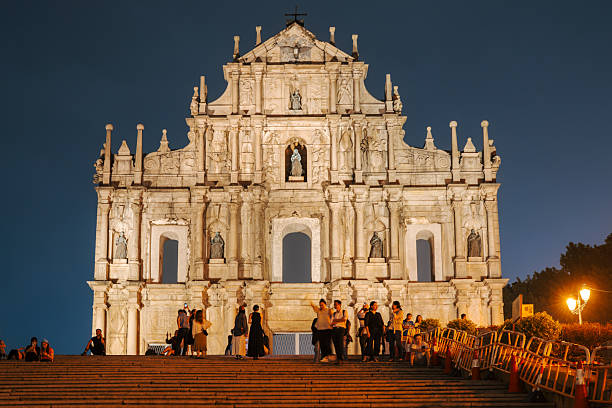

Travel is often seen as a checklist—visit the famous landmarks, take selfies, maybe buy a few souvenirs. But if you really want to feel a place, to understand its heartbeat, you need to go beyond the obvious. Cultural travel isn’t just about seeing; it’s about experiencing, connecting, and sometimes, getting a little lost.
Step Off the Beaten Path
Most travelers flock to iconic sites. Eiffel Tower, Colosseum, Machu Picchu—these places are incredible, no doubt. But what if the real magic happens a few streets away? Imagine wandering the side alleys of a historic neighborhood in Lisbon, listening to local fado music echoing through the buildings, or sipping tea in a tiny café in Istanbul where the owners have been running the place for generations.
The trick is to look for experiences that locals cherish, not just what guidebooks shout about. Street markets, hidden temples, community festivals—these are windows into everyday life, not just staged snapshots.
Taste the Local Flavors
Food is one of the most immediate ways to dive into a culture. Sure, tourists often hit fancy restaurants, but the real story is in mom-and-pop eateries, street food stalls, and neighborhood bakeries.
Take Bangkok, for instance. Everyone goes for the rooftop bars and fancy Thai fusion spots, but the city comes alive in the small street stalls serving pad thai or mango sticky rice. The aroma, the sizzling sounds, the bargaining over prices—it’s not just eating; it’s living a part of the culture.
And don’t just eat—learn. Take a cooking class, even if you’re a disaster in the kitchen. You’ll walk away with more than a recipe; you’ll have insight into local ingredients, traditions, and the stories behind the food.
Talk to People, Not Just Guides
Travel apps and tour guides are convenient, but nothing beats chatting with locals. Ask them where they go for fun, what their favorite childhood spots are, or even their opinions on local politics. These conversations often reveal the hidden layers of a place.
In Japan, for example, you might strike up a conversation with a shopkeeper in Kyoto about tea ceremonies or seasonal festivals. In Mexico City, a street artist could tell you about neighborhood legends that never make it into history books. These moments are rare, fleeting, and completely unforgettable.
Participate in Local Traditions
One of the best ways to feel immersed is to join in on traditions, even if just as a spectator. Cultural festivals, religious ceremonies, or local sports events can give you perspective beyond postcards and Instagram stories.
Think of India’s Holi festival. Tourists flock to witness the colors, but when you participate, you’re no longer an outsider. You’re part of the laughter, the chaos, and the celebration. The same goes for Brazil’s carnival parades, Spain’s tomato fights, or Italy’s village grape harvests. Participation creates memory, not just observation.
Learn the Language—Even a Little
You don’t need to be fluent to make a connection. Even a few words in the local language can break barriers and show respect. Greetings, thank you, or simple phrases like “this looks amazing” can transform interactions.
Imagine ordering a street snack in Marrakech in Arabic, or asking for directions in Korean in Seoul. Suddenly, the locals respond differently; there’s warmth and engagement that doesn’t happen if you just point and smile. Small effort, big reward.
Stay Longer, Slow Down
Tourist itineraries are usually packed, a race to tick boxes. Cultural travel benefits from a slower pace. Spend more days in fewer places. Explore the city at sunrise when streets are quiet, stroll after dinner when the local nightlife awakens, or spend a whole afternoon in a library, park, or café observing everyday life.
Slow travel allows you to notice patterns, routines, and small details—the way people interact, how markets change with the day, or the subtle architecture that tells stories of the past. It’s like reading a novel versus just flipping through the cover.
Embrace the Unexpected
Some of the most memorable cultural experiences happen by accident. Missed trains, sudden rainstorms, or getting lost in an unfamiliar street often lead to encounters you’d never plan. Maybe you stumble into a local workshop, find a tiny art gallery, or join a street performance.
These unplanned adventures create the richest stories. You return home not just with photos, but with experiences that have shape, texture, and sometimes a little chaos—exactly what makes travel human.
Respect the Culture
While it’s thrilling to explore hidden corners, remember that you’re stepping into someone else’s world. Observe local customs, dress codes, and etiquette. Ask before taking photos of people or private ceremonies. Cultural travel is a two-way street; the more respect you show, the more openness and warmth you receive in return.
The Takeaway
Cultural travel is about peeling back the surface. It’s less about ticking off landmarks and more about discovering what makes a place tick. It’s tasting, talking, participating, learning, slowing down, and embracing the unexpected. It’s messy, sometimes uncomfortable, but always unforgettable.
In the end, the goal isn’t to be a tourist; it’s to be a temporary citizen of the world, even if just for a few days. Because when you explore beyond the obvious, you don’t just see the culture—you feel it.