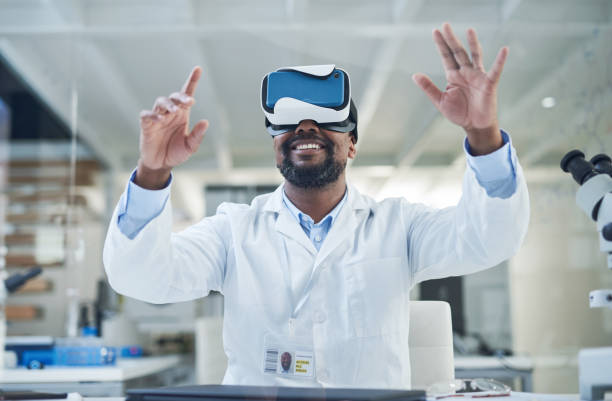

In the last decade, wearable technology has shifted from being a futuristic concept to a daily reality for millions. From fitness trackers to smartwatches, these devices have seamlessly integrated into our lives, changing how we monitor health, communicate, and interact with the digital world. While once considered a niche gadget market, wearable tech has grown into a booming industry, with innovations that promise to redefine the way we live and work.
The Early Days of Wearables
Wearable technology isn’t entirely new. The first steps were modest: simple wrist-worn calculators and rudimentary digital watches in the 1980s and 1990s. These devices were primarily functional but limited in scope, offering a glimpse into the potential of wearable gadgets. As technology advanced, so did the capabilities of these devices. By the mid-2000s, fitness trackers emerged, providing users with basic data like step counts and calories burned. It was a subtle shift, but it marked the beginning of wearables being not just gadgets but personal assistants for health and lifestyle.
Health and Fitness Revolution
One of the biggest drivers of wearable technology is the health and fitness industry. Devices like the Fitbit, Apple Watch, and Garmin trackers have made it easier than ever to monitor personal health metrics in real time. Heart rate monitors, sleep trackers, and even blood oxygen sensors have transformed wearables from simple pedometers into comprehensive health tools. For people managing chronic conditions, these devices provide invaluable data that can be shared with doctors, helping with early diagnosis and personalized treatment plans.
The convenience of having health insights on your wrist encourages people to adopt healthier habits. Suddenly, tracking sleep patterns or counting steps isn’t just about curiosity—it’s about informed decision-making for lifestyle improvement. This trend has also sparked the rise of health-focused apps and services that integrate with wearable devices, creating an ecosystem where fitness and technology are inseparable.
Communication and Smart Assistance
Wearables have also expanded beyond health into communication and productivity. Smartwatches now allow users to send messages, take calls, and even control smart home devices without reaching for their phones. This hands-free functionality appeals to busy professionals and tech enthusiasts alike. Digital assistants like Siri, Alexa, and Google Assistant have found their way into wearables, making it possible to check schedules, set reminders, and access information instantly.
This integration of wearable technology into daily routines has blurred the lines between personal and professional life. A smartwatch isn’t just a gadget anymore; it’s a personal assistant that fits on your wrist. The convenience of receiving notifications and responding instantly has changed the way people work and communicate, reducing the dependency on smartphones while increasing efficiency.
Fashion Meets Technology
Initially, wearable technology was more about function than style. However, as the market grew, designers and tech companies realized the importance of aesthetics. Today, wearables are as much fashion statements as they are functional devices. Apple, Samsung, and other tech giants collaborate with fashion brands to create stylish bands, customizable watch faces, and sleek designs that appeal to a broad audience.
This merging of technology and fashion has opened doors for wearables to be accepted as mainstream accessories. From luxury smartwatches to fitness-oriented jewelry, consumers now have options that cater to both practicality and personal style. The idea that technology must be chunky or purely functional is rapidly fading, replaced by devices that blend seamlessly with daily attire.
Challenges and Privacy Concerns
Despite their popularity, wearable technologies face challenges, particularly in privacy and data security. These devices collect vast amounts of personal information, from heart rates and sleep patterns to location and daily activity. If mishandled, this data could be misused by hackers or even third-party companies for targeted advertising.
Manufacturers are working to implement stronger encryption and user controls, but privacy remains a critical concern. Consumers must be vigilant about the data they share and understand the permissions granted to apps connected to their wearables. While the convenience and benefits are undeniable, balancing innovation with security is essential to maintain trust in this rapidly evolving technology.
Future Prospects
Looking ahead, the future of wearable technology is incredibly promising. Emerging trends include augmented reality (AR) glasses, smart clothing, and advanced medical monitoring devices. Imagine a world where your shirt tracks your posture, your glasses provide real-time navigation, or a wearable can predict health issues before symptoms appear. The possibilities are vast, and many tech companies are investing heavily in research and development to push the boundaries of what wearables can do.
Artificial intelligence (AI) and machine learning will play a crucial role in the next generation of wearables. Personalized insights, predictive analytics, and adaptive interfaces will make these devices smarter and more intuitive. This evolution will not only improve user experience but also create new opportunities for industries ranging from healthcare to sports and entertainment.
Conclusion
Wearable technology has come a long way from its humble beginnings as simple digital watches. It has grown into a multifaceted industry that touches health, communication, fashion, and lifestyle. While challenges like privacy and data security remain, the benefits of these devices are undeniable. As technology continues to advance, wearables will become even more integrated into our lives, offering convenience, insight, and style like never before.
The rise of wearable technology is more than a trend—it’s a transformation. By combining innovation, personalization, and usability, these devices are shaping a future where technology is literally within arm’s reach, improving the way we live, work, and stay connected.